
Most entrepreneurs are still treating AI like a “nice-to-have.” That mindset is becoming expensive.
This past week, the signal wasn’t just “better models.” It was the ecosystem shifting in a way that screams one message:
AI is turning into infrastructure — and infrastructure changes who wins markets.
Here’s what changed, why it matters, and what to do this week (without overthinking it) 😈
- AI is colliding with electricity and physical infrastructure ⚡🏭
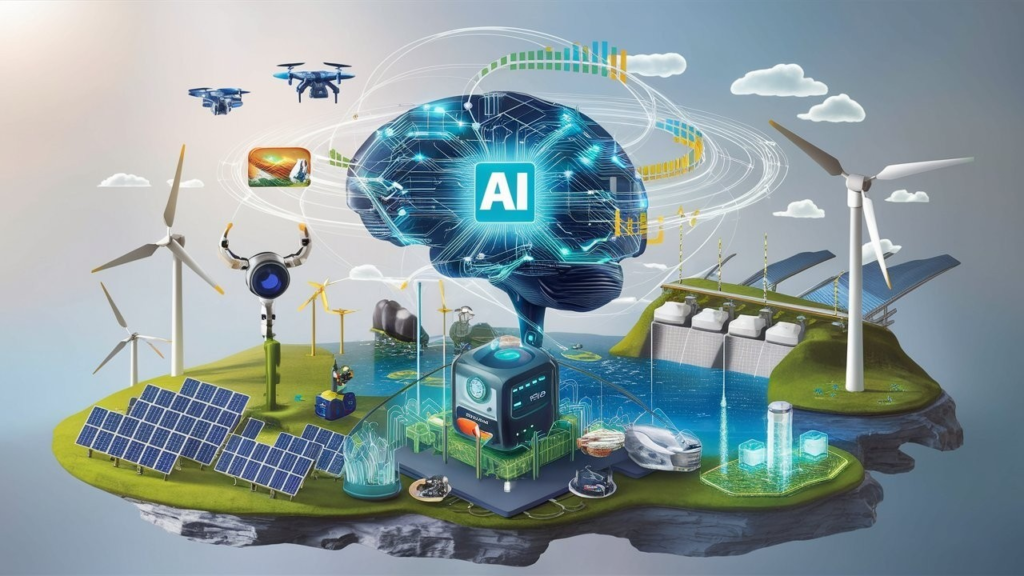
The biggest tell isn’t a demo — it’s power. Data centers, grid upgrades, and energy planning are now part of the AI conversation in public announcements and major reporting.
Why it matters for business:
- When power becomes a constraint, the winners are the ones who secure scale early
- Cost curves don’t move smoothly; they jump when supply unlocks
- That means capability “step changes” will keep showing up, not gradual improvements
Operator takeaway:
If you’re waiting for a “stable moment” to adopt AI, you’ll be waiting forever. Infrastructure waves don’t pause for late adopters.
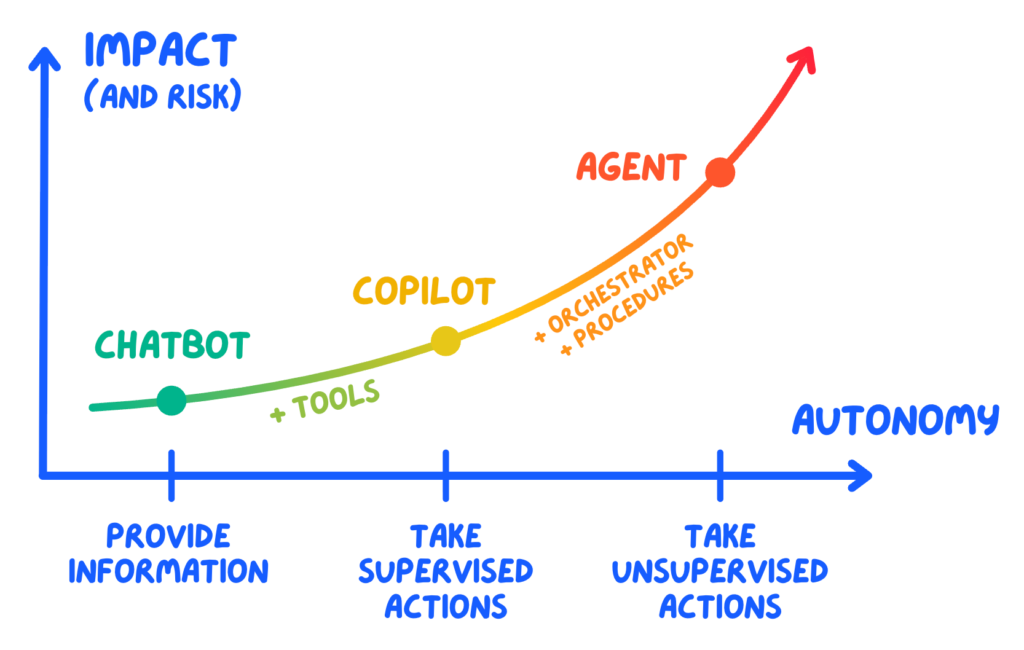
- AI agents are shifting from “chat” into “execution” 🧠🛠️
We’re seeing more emphasis on AI that can complete longer, multi-step work: planning, producing deliverables, checking itself, and iterating with less hand-holding.
Why it matters:
- The competitive advantage is no longer “better answers”
- It’s faster production cycles and fewer humans required per outcome
- That hits every business function: marketing, sales, support, ops, onboarding
Operator takeaway:
If your workflows still depend on humans to do the repetitive steps, you’re operating with a built-in speed limit.
- Monetization is entering the interface 📣🤖
When AI assistants reach mass adoption, monetization pressure increases. The result is simple: the free layer will optimize for volume and business models, while serious operators pay for reliability and control.

Why it matters:
- “Free AI” is not a business strategy
- Your team needs predictable performance, not random limitations
Operator takeaway:
If AI is core to revenue, treat it like a revenue system — not a toy.
- Government and regulated adoption is accelerating 🪖📜
Public reporting and announcements show increasing pressure to deploy frontier AI in regulated environments (including defense). This is a strong signal that AI is becoming embedded into high-stakes workflows.

Why it matters:
- Standards rise (logging, controls, escalation policies)
- Enterprise adoption accelerates
- Expect faster organizational change than most people are psychologically prepared for
Operator takeaway:
The businesses that build AI operations now will ride the wave. The ones that delay will be forced to adopt under pressure.
My take (uncomfortable but true) 🎯
Here’s what I think many owners still don’t want to admit:
- The biggest advantage isn’t “AI knowledge.” It’s operational redesign.
- Speed-to-lead will become a moat. Slow responders will get squeezed hard.
- Consistent follow-up will outperform “creative marketing” in most service businesses.
- The gap will widen: AI-operated companies will deliver more with fewer people.
- Waiting doesn’t reduce risk — it concentrates it.
What to do this week (simple actions that move revenue) ✅
- Measure speed-to-lead across every channel (web form, chat, DMs, missed calls). If it’s more than 60 seconds, you’re bleeding money.
- Automate the first 80% of your pipeline: intake → qualify → route → book → follow-up. Humans handle exceptions, not defaults.
- Make follow-up non-negotiable: multi-touch sequences plus escalation if no response.
- Capture every conversation into your CRM automatically (summary, intent, next step). Memory is not a system.
- Create a weekly scoreboard: response time, booked calls, show rate, pipeline created, deals won, and leads lost due to slow response.
- Train your team on one rule: AI runs the repetitive work; humans handle edge cases and high-stakes decisions.
- Reduce tool chaos: one workflow, one pipeline, one follow-up standard.
Where Shofield AI fits 🧩
Shofield AI is designed for this exact shift: 24/7 AI employees that respond instantly, qualify leads, book appointments, and follow up across phone, chat, and email — so your pipeline doesn’t depend on humans remembering.
Who I am (and why I’m saying this bluntly)
I’m Richy Shofield, Founder & CEO of Shofield AI (www.shofield.ai) — and I care deeply that business leaders pay attention to what’s coming, because preparedness will decide who wins this decade.
Want to operationalize this now 🚀
Start your free account at www.shofield.ai and set up your first 24/7 AI employee this week.